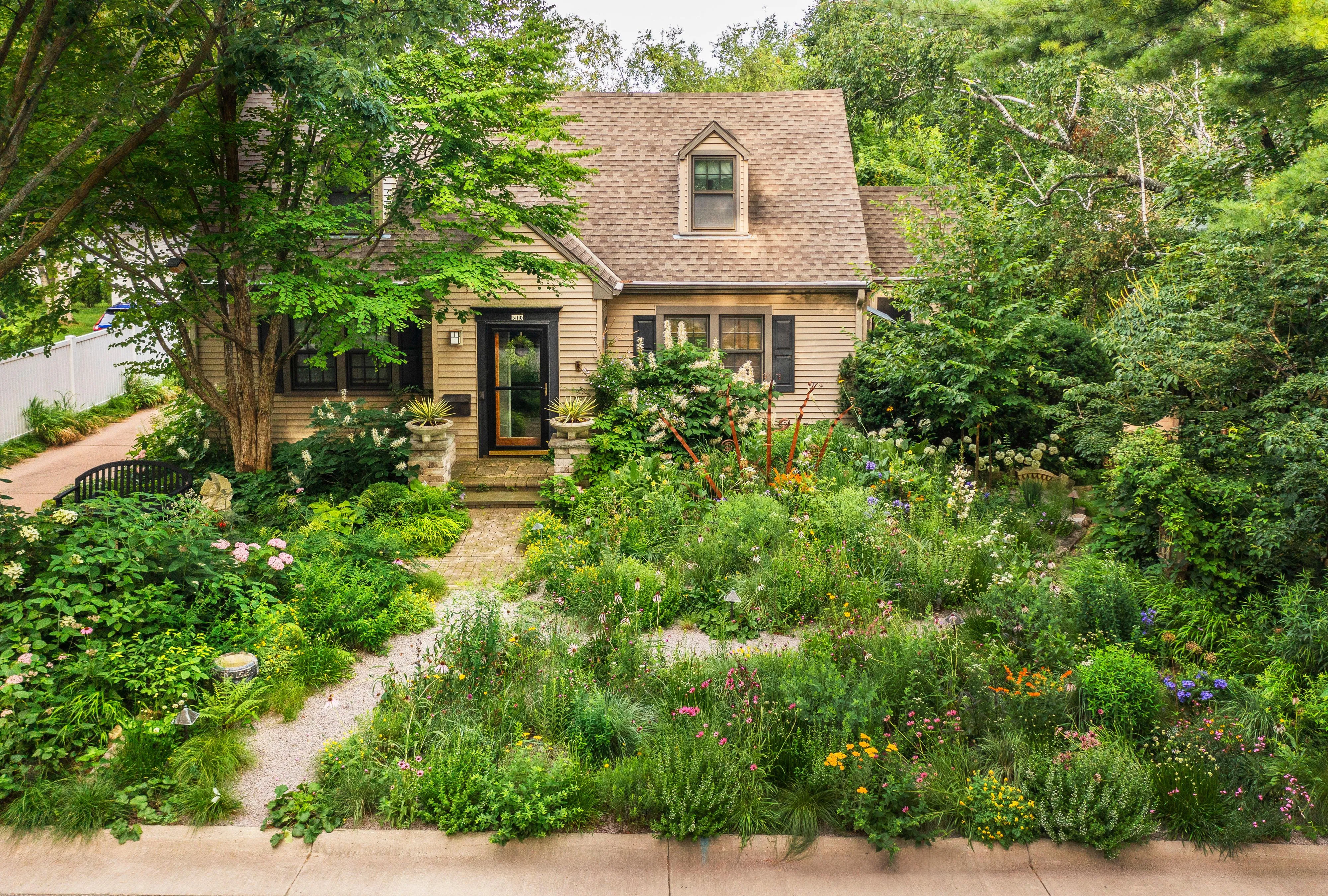
We get it: To the uninitiated, a gravel garden can sound hot, dry, maybe even drab. But done right, a gravel garden can be not only extremely low-maintenance and eco-friendly but also gorgeously lush. The crux of the approach, pioneered by the late gardener Beth Chatto, is to plant a variety of deep-rooted, drought-tolerant plants in a thick layer of gravel, which suppresses weeds and conserves moisture.
By midsummer, grasses and perennials often grow so prolifically they hide the gravel beneath them. Best of all, once your garden is established, you can spend more time admiring the flowers (and the pollinators they attract) than weeding or hauling out the hose.
- Gravel gardens use drought-tolerant plants in gravel to suppress weeds, conserve moisture, and attract pollinators.
- Site prep includes removing any existing turf and adding 5 or more inches of gravel before planting.
- Layered plantings, defined paths, and groups of flowers create a sense of balance, order, and lushness.
How to Start a Gravel Garden
Whether you want to try gravel gardening in a small spot or replace a lawn, most of the work is up-front. Once established, your garden won’t need much other than a spring cleanup.
- Prep Site: Pick a sunny location, ideally bordered by a sidewalk, driveway, or foundation. Measure the area and sketch a plan to estimate how much gravel and the number of plants you’ll need. Online landscape calculators can help. Remove existing turf and weeds.
- Lay Gravel: Enclose the space with sturdy 6-inch-tall edging, bolstered by existing hardscape (such as a sidewalk) where possible, and add pavers or boulders as needed. Fill with at least 5 inches of washed, locally sourced 1/4- to 1/2-inch hard stone like quartzite or pea gravel. Spread carefully to avoid mixing any soil into it.
- Plant: Choose plants in 3- to 4-inch pots. Remove the top 1/2- to 1 inch of soil around the crowns and loosen roots. Dig a hole in the gravel without disturbing the soil below, set each plant so its crown is level with the gravel, and backfill around the roots. Space plants 15 to 18 inches apart, depending on their mature size.
Related
Best Plants for Gravel Gardens
Plants adapted to lean, well-drained soils do best in gravel gardens. Start with grasses, then layer in the rest.
- Native Grasses: Grasses like prairie dropseed, switchgrass, and little bluestem add texture and structure.
- Perennial Flowers: These add summer color and a nectar source for pollinators. Try lanceleaf coreopsis, calamint, butterfly milkweed, and ornamental onion.
- Mediterranean Herbs: Lavender, rosemary, hyssop, and sage flourish in gravelly soils and look pretty spilling over a garden edge.
- Spring Bulbs: Extend the season with species tulips, daffodils, alliums, or grape hyacinth. These bulbs thrive in fast-draining soil; just plant at least 3 inches into the soil below the gravel.
During the first season, young plants need regular water until they root into the soil beneath the gravel. Once established, they’ll rarely need supplemental watering.
Keep these principles in mind to create a gravel garden that’s ecologically friendly, cohesive, and full of horticultural eye candy year-round.
- Group Up: Repeating swaths of showy flowers such as bright yellow black-eyed Susans helps lead the eye through the space. Enhance the impact by placing groups of contrasting flower colors nearby, such as purple Russian sage.
- Invite Pollinators: Mix in drought-tolerant native plants—such as nodding onions—with flowers that add color to your gravel garden while providing valuable nectar for pollinators like bumblebees.
- Plant in Layers: Select grasses and flowering perennials with varying bloom times, heights, textures, and colors to create dynamic layers of visual interest from spring into winter.
- Frame Your Plantings: Clearly defined, curving pathways around edged beds make naturalistic gravel gardens look cared for and intentional rather than messy. Paths also encourage visitors to enjoy the plants up close as they move through the space.
Teresa Woodard and Jeff Epping offer a complete primer to gravel gardening in their book, <em>The Gravel Garden</em> (Timber Press).
- <span>Gardening</span>
- <span>Garden Design</span>
- <span>Garden Styles</span>